
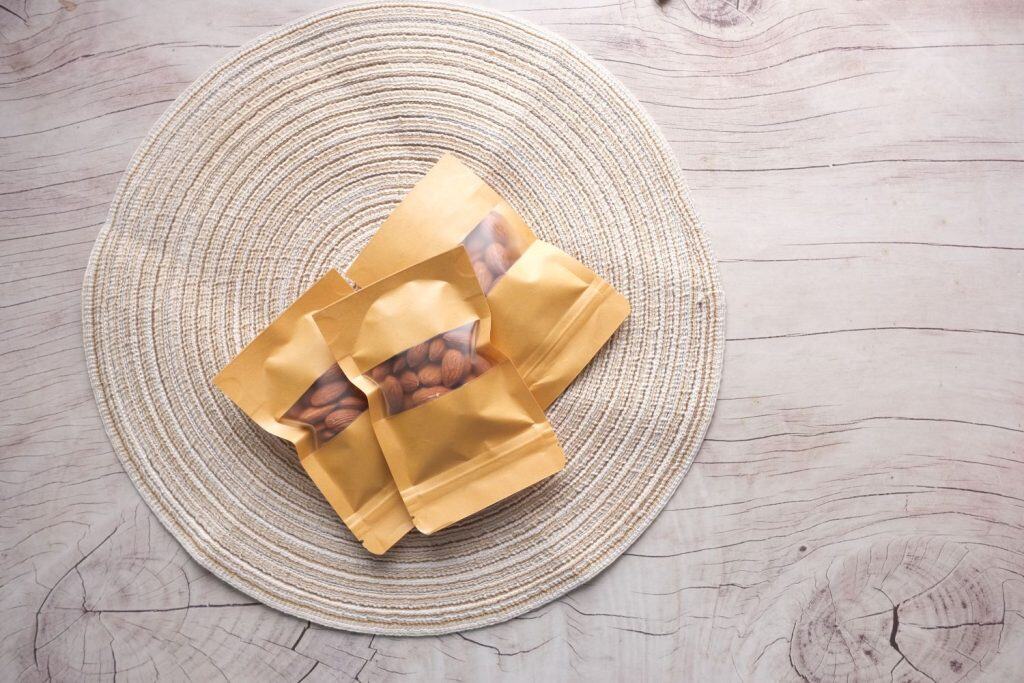
We often get asked why retort pouches have become a go-to format for shelf-stable meals, sauces, and ready-to-eat foods. In this guide we’ll explain what a retort pouch is, how it works, where it shines, and what to look for when specifying or buying them. Our goal is to give packaging managers, product developers, and procurement teams the practical information they need to decide whether retort pouches are the right fit for their products and supply chain.
What Is a Retort Pouch?
A retort pouch is a flexible packaging pouch engineered to withstand high-temperature, high-pressure sterilization processes (retorting) used to make food and beverages shelf-stable without refrigeration. Think of them as the flexible equivalent of a sterilized can: they combine multiple layers of polymer films and metal or foil to create a robust barrier that keeps oxygen, moisture, and microbes out while protecting the product inside during and after thermal processing.
We should note two practical distinctions: retort pouches are designed for industrial retort cycles (typically 116–130°C / 240–266°F for varying durations), and they are different from standard flexible pouches that cannot tolerate those temperatures. They let manufacturers deliver fully cooked, shelf-stable products with reduced weight, faster heating/cooling times, and improved portion flexibility compared with metal cans or glass jars.
How Retort Pouches Work
The effectiveness of a retort pouch comes from the combination of materials, construction techniques, and the sterilization process. Below we break down the main technical components and how they come together.
Materials and Construction
Retort pouches are multilayer laminates. Common constructions include: PET (polyester) for printability and mechanical strength, aluminum foil for barrier performance, and polypropylene (CPP) or polyethylene (PE) as heat-sealable inner layers. Some modern structures replace foil with metallized films or high-barrier coatings to improve machinability and recyclability. Seals are typically made by heat-sealing the inner thermoplastic layer: seam design and seal quality are critical because a compromised seal negates the whole pouch.
We see two dominant formats: pillow pouches (simple, low-cost) and stand-up pouches (with gussets or a flat bottom). Many retort pouches include tear notches, spouts, or reclosures depending on intended use.
Retort Sterilization Process
Retorting is the thermal in-package sterilization step. Pouches are filled and sealed, then loaded into steam or water retort chambers where temperature and pressure are raised to validated parameters that achieve commercial sterility (log reductions of target pathogens and spores). The process profile, temperature, time, and come-up/cool-down rates, depends on product type (acidic vs. low-acid) and the thermal lethality required. Because pouches heat more quickly than cans, retort cycles can be shorter, which benefits texture and nutrient retention for many food products.
Barrier Performance and Temperature Resistance
Barrier performance is measured by oxygen transmission rate (OTR) and water vapor transmission rate (WVTR). Retort pouches aim for near-zero OTR and very low WVTR to maintain shelf life. Temperature resistance is a function of the laminate: inner sealant must withstand sealing temperatures and remain stable through retort temperatures without softening or flowing: outer layers must resist flex, abrasion, and printing degradation. Modern metallized and foil laminates deliver excellent barrier properties while engineered polymers provide the mechanical and sealing performance.
Key Benefits of Retort Pouches
Retort pouches bring a mix of manufacturing, logistic, and consumer-side advantages. Below we outline the practical benefits that make them an attractive option across multiple categories.
Shelf Life and Food Safety Advantages
Because retort pouches enable in-package sterilization, they deliver long shelf life without preservatives or refrigeration. Low-acid foods that require thermal lethality (e.g., meats, stews, certain vegetables) can be safely stored at ambient temperatures when processed correctly. Shorter thermal cycles compared with cans can also preserve sensory attributes, texture, color, and even some heat-sensitive nutrients, better than prolonged canning.
Logistics, Weight, and Cost Efficiency
Pouches are dramatically lighter and occupy less shipping volume than metal or glass jars. That lowers freight costs and carbon emissions per finished product. Reduced weight also cuts handling costs on the production floor and simplifies retail stocking. For product runs where packaging cost-per-unit is a major driver, retort pouches frequently offer a compelling trade-off between material cost and savings in logistics and shelf-space efficiency.
Consumer Convenience and Sustainability Factors
Consumers like the convenience of resealable spouts and single-serve formats. Pouches are portable, often microwave-safe (when labelled appropriately), and break-resistant, no shattered glass. From an environmental perspective, pouches use less material and energy in transport. Recycling remains a challenge for multi-material laminates: but, advancements, mono-polymer retortable films and chemical recycling pathways, are improving end-of-life options. We recommend evaluating the full life-cycle when claiming sustainability benefits.
Typical Applications and Use Cases
Retort pouches have expanded beyond a few niche categories to touch many parts of the food chain, and some nonfood markets too.
Food Categories Best Suited to Retort Pouches
Common applications include ready meals, baby food, pet food (especially wet food), soups, sauces, beans, seafood (e.g., tuna in sauce), and single-serve entrees for outdoor/army rations. Products that benefit most are those where shelf-stability, reduced weight, and rapid reheat are priorities. We see strong adoption in premium ready-meal lines where improved texture and attractive graphics matter.
Nonfood and Emerging Uses
Outside food, retortable laminates are used for sterilized medical barrier packs, some pet care products, and industrial pastes that require sterilization. Emerging areas include plant-based ready meals and heat-processed beverages. As retort-compatible mono-material films mature, we expect even broader adoption in categories where recyclability is a selling point.
Design, Printing, and Functional Options
Packaging design choices influence manufacturing, branding, and consumer utility. Below are the common options we consider when specifying retort pouches.
Shapes, Sizes, and Closure Types
Pouches can be made in a wide range of sizes, from single-serve 60–120 g packs to multi-serve 500 g–1,000 g pouches. Shapes include pillow, side-gusset, and stand-up pouches. Closures range from heat-sealed only to zip reclosures, spouts with screw caps, and tear-open notches. Choosing a closure depends on product viscosity, expected use occasions, and production line equipment.
Graphics, Labeling, and Regulatory Markings
High-quality flexographic or rotogravure printing on PET or printable films gives sharp graphics and color fidelity. We advise positioning regulatory and nutritional information on a flat, uninterrupted panel to ensure print legibility. Mandatory markings (lot codes, best-before dates, allergen statements) must be applied in locations and formats compliant with the target market’s regulations. Variable data printing or thermal transfer can be used for lot coding if the main print is static.
Manufacturing, Quality Standards, and Buying Considerations
When selecting a retort pouch supplier or specifying production, several manufacturing and regulatory factors influence risk, cost, and time-to-market.
Production Processes and Quality Controls
Critical controls include laminate inspection, seal integrity testing (seal peel and burst tests), and incoming material certificates for barrier films. We also emphasize process validation for filling and sealing equipment, and routine retort validation to confirm lethality. Leak detection (vacuum or dye-based) and microbiological sampling are common QA practices.
Regulatory Compliance and Testing
For food use, pouches and inks must comply with food-contact regulations in the target market (e.g., FDA in the U.S., EU food contact framework). Migration testing, heavy metals testing in inks, and documentation for thermal stability are often required. Products destined for export may need additional certifications, so plan compliance checks early in development.
Cost Drivers, Lead Times, and Selecting a Supplier
Cost drivers include laminate complexity (foil vs. metallized vs. mono-material), print colors and finishing, closure types, and run length. Tooling and plate costs can make short runs more expensive per unit. Lead times depend on material availability and capacity for retort pouch conversion, expect longer lead times for custom laminates or specialty closures. When choosing a supplier, prioritize experience with retort processes, robust quality systems (ISO 22000, BRC or equivalent), and transparent testing data. A supplier who can provide sample run data and retort validation support will shorten your path to market.
Conclusion
Retort pouches offer a compelling mix of food-safety performance, logistical efficiency, and consumer convenience. For many products, especially ready meals, sauces, pet foods, and single-serve entrees, they can reduce costs and improve product quality compared with rigid formats. That said, success depends on correct material selection, validated retort processes, and clear decisions about closures and recyclability.
If we’re advising a launch or conversion project, we start by mapping product heat sensitivity and shelf-life requirements, then move quickly to prototype laminates and retort validation. With the right supplier and a strategic approach to materials and testing, retort pouches can be a reliable, high-value packaging choice that aligns manufacturing efficiency with consumer expectations.