
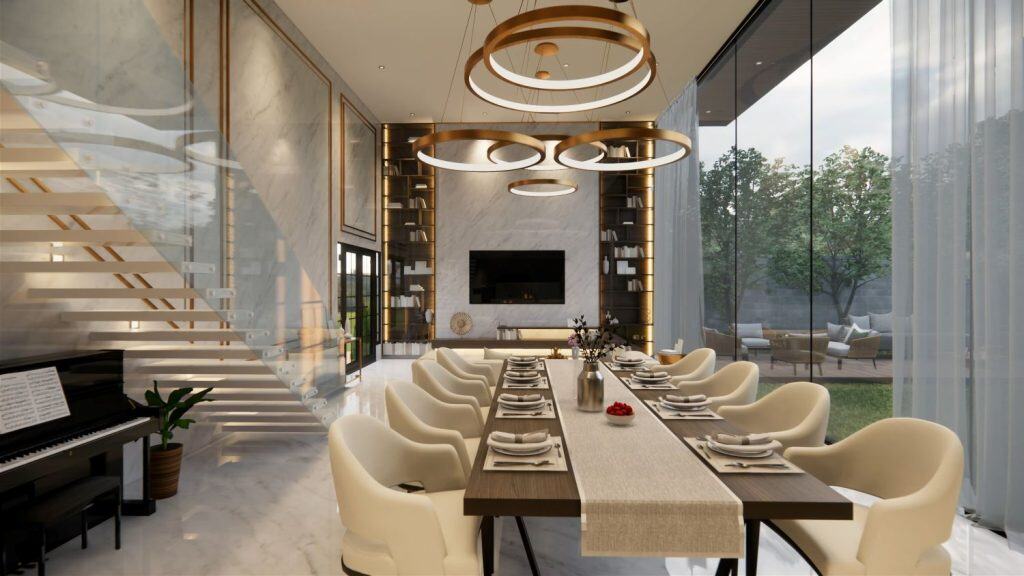
Finding an interior designer in Bangkok can feel overwhelming, there are dozens of studios, shifting prices, and cultural nuances that affect design choices and execution. We’ve helped clients through this market for years, and in this guide we’ll walk you through what Bangkok designers actually do, why hiring locally matters, how to evaluate talent, typical costs and timelines, popular styles and materials, and practical steps to run a smooth project. Whether you own a condo in Thong Lor, a villa in Bang Kapi, or a retail fit-out on Sukhumvit, this article gives the actionable framework you need to choose and work with an interior designer in Bangkok with confidence.
What Interior Designers In Bangkok Do: Services And Scope
Interior designers in Bangkok offer a wide spectrum of services, from concept sketches to full turnkey delivery. Many studios position themselves differently, some focus on high-end residential, others specialize in compact condo solutions, and a number concentrate on commercial and F&B projects.
Common Services Offered
- Concept development and mood boards: translating client brief into a cohesive visual direction.
- Space planning and furniture layouts: optimizing flow in narrow Bangkok units or open-plan villas.
- 3D visualizations and renderings: realistic previews that help avoid costly changes on site.
- Detailed drawings and technical documentation: construction drawings, electrical and plumbing plans, millwork details.
- Procurement and sourcing: ordering furniture, fixtures, and materials through local supplier networks.
- Project management and site supervision: coordinating contractors, quality checks, and on-site problem solving.
- Turnkey or partial delivery: from supplying only designs to managing all trades and warranties for a finished space.
Designers in Bangkok often wear multiple hats, designer, procurement manager, and local fixer, because navigating permits, suppliers, and skilled contractors requires more than just aesthetic skill.
How Scope Varies By Project Type (Condo, Villa, Retail, Office)
- Condo: Focus is usually space efficiency, multifunctional furniture, and building regulations (e.g., balcony restrictions). Designers prioritize clever storage, acoustic issues, and fast procurement timelines because condo owners often need quick turnarounds.
- Villa/House: Scope expands to landscaping, lighting masterplans, and bespoke joinery. Villas allow for more experimentation with materials and custom furniture, and designers often oversee structural changes and coordination with architects.
- Retail/F&B: Emphasis is on customer circulation, branding integration, and health-and-safety compliance. Designers work closely with M&E (mechanical and electrical) engineers to meet ventilation and fire-safety codes.
- Office: Priorities include zoning for collaboration vs. focused work, ergonomic fit-outs, and IT/cabling infrastructure. Bangkok offices also need to plan for temperature control and acoustic comfort, given the city’s climate and building stock.
Understanding how scope shifts with project type helps set realistic expectations about fees, timelines, and the team you’ll need.
Why Hire A Local Bangkok Designer
Hiring a local Bangkok designer brings tangible advantages beyond convenience. We’ve seen projects saved and timelines shortened because a designer knew the right vendor or anticipated a municipal snag.
Benefits Of Local Expertise, Regulations, And Supplier Networks
Local designers know which contractors deliver quality on time and which suppliers have the best lead times for finishes, critical when import delays can derail schedules. They’re familiar with building management rules (especially in high-rise condos), permitting processes, and execution realities that overseas designers may overlook. Their supplier networks can also unlock better pricing, warranties, and aftercare.
Cultural And Climate Considerations Specific To Bangkok
Bangkok’s tropical climate shapes material choices, ventilation strategies, and maintenance planning. A local designer recommends finishes that withstand humidity, UV exposure, and frequent rain, think moisture-resistant joinery, corrosion-resistant metals, and shaded glazing solutions. They’ll also account for Thai living patterns: indoor–outdoor transitions, robes and shoe-storage customs, and family gathering spaces designed for multi-generational living. These cultural and climate-aware choices make spaces more comfortable and longer-lasting.
How To Choose The Right Interior Designer In Bangkok
Choosing the right designer is a mix of objective checks and gut feeling. We advise a process that balances portfolio evidence with practical questions about process and communication.
Evaluating Portfolios And Case Studies
Look for projects similar in scale and budget to yours. Portfolios should include before-and-after photos, floor plans, and clear notes about what the designer delivered. Pay attention to finishes and craftsmanship in close-up shots, those details reveal the team’s execution standards. If possible, ask for references and visit a completed project: seeing work in person tells you far more than images.
Questions To Ask About Process, Timeline, And Team
- Who will be our day-to-day contact and who does site supervision?
- What are your typical project phases and milestones?
- How do you handle scope changes and unforeseen site issues?
- What level of client involvement do you expect during procurement and installation?
Good answers describe clear phases, communication cadence, and contingency plans. If they give vague or evasive timelines, that’s a red flag.
Checking Credentials, Reviews, And Communication Fit
Verify credentials where relevant, professional associations, certifications, or partnerships with local builders. Read online reviews and testimonials, but weigh them against direct references. Equally important: test communication fit. We recommend a short initial assignment, like a concept board or space plan, to gauge responsiveness and working chemistry before committing to a full contract.
Typical Costs, Pricing Models, And Project Timelines
Costs and timelines in Bangkok vary widely depending on finishes, scope, and whether fittings are imported. We’ll break down common pricing models, ballpark budgets, and realistic project phases.
Common Pricing Models (Fixed Fee, Percentage, Cost-Plus)
- Fixed Fee: Designer quotes a lump sum for defined deliverables. Best for projects with clear scope: less flexibility for mid-project changes.
- Percentage Fee: Fee is a percentage of overall project cost (commonly 8–15% for full-service design). This aligns incentives but requires transparent budgeting.
- Cost-Plus: Designer bills actual costs plus a markup. Useful when procurement and bespoke sourcing are significant: needs trust and clear reporting.
Typical Budget Ranges For Condos, Houses, And Commercial Projects
- Condo (mid-range): USD 10,000–40,000 (THB ~350,000–1.5M) depending on unit size and finish level.
- Villa/House (mid to high): USD 40,000–200,000+ (THB ~1.5M–7M+) for substantial renovations with custom joinery.
- Commercial (small retail/F&B): USD 20,000–100,000+ depending on equipment, M&E upgrades, and branding installations.
These are rough ranges: imported fixtures, luxury brands, or structural changes can push costs higher.
Expected Project Phases And Realistic Timelines
- Concept & Design: 2–6 weeks for condos: 4–12 weeks for larger homes or commercial schemes.
- Documentation & Permits: 2–8 weeks depending on building approvals and permit needs.
- Procurement & Lead Times: 4–12+ weeks for custom joinery or imported items.
- Construction & Fit-Out: 4–16 weeks for most residential renovations: larger villas and commercial works can take several months.
We advise building buffer time for procurement delays: in Bangkok, lead times can unpredictably extend during peak seasons or global shipping disruptions.
Popular Design Styles And Materials In Bangkok Projects
Bangkok’s design scene blends Southeast Asian tradition with contemporary international aesthetics. We see recurring styles that adapt well to the city’s climate and lifestyle.
Contemporary Thai, Tropical Modern, Minimalist Urban, And Luxury
- Contemporary Thai: Modern interpretation of Thai motifs, using timber tones, carved screens, and layered indoor–outdoor transitions.
- Tropical Modern: Emphasis on natural ventilation, shaded terraces, and materials that patina gracefully, ideal for villas and garden homes.
- Minimalist Urban: Clean lines and efficient layouts popular for condos, often with integrated storage and neutral palettes to maximize perceived space.
- Luxury: High-end materials, marble, bespoke millwork, designer lighting, combined with curated art and bespoke furniture for an elevated feel.
Locally Sourced Materials, Finishes, And Sustainable Options
Local materials like teak and bamboo are popular but require careful treatment for humidity resistance. We’re increasingly recommending engineered woods and moisture-resistant composites for high-humidity areas. Sustainable options, low-VOC paints, recycled timber, and energy-efficient lighting, are more available now, with suppliers in Bangkok offering certified products. Choosing durable, low-maintenance finishes reduces lifecycle costs in the city’s climate.
Practical Steps For Working With A Bangkok Designer
A good relationship and clear process make the project enjoyable rather than stressful. Here’s a practical checklist to keep things on track.
Preparing A Brief, Setting Priorities, And Agreeing Deliverables
Prepare a concise brief: budget range, priorities (e.g., storage vs. aesthetics), and must-haves. We recommend ranking priorities, A/B/C, so the designer can make informed trade-offs. Agree on deliverables upfront: concept boards, drawings, FF&E lists, procurement responsibilities, and milestones.
Contracts, Permits, Contractors, And Supply-Chain Considerations
Use a written contract covering scope, fees, payment schedule, change-order procedures, and warranty terms. Clarify who handles permits and building management approvals. Request a shortlist of contractors and ask for work-history references. Also, anticipate supply-chain variability, agree on lead times and contingency plans for imported items.
Managing Renovations Remotely Or During Onsite Visits
If you’re remote, establish weekly video walk-throughs, shared progress photos, and a cloud folder for documents. Schedule key decisions around site visits: finalizing finishes, signing off on mock-ups, and inspection milestones. For onsite visits, block uninterrupted time to avoid rushed choices: decisions made hurriedly often lead to costly revisions.
We’ve found that transparency, a documented scope, and frequent communication are the three things that most reliably keep Bangkok projects on time and on budget.
Conclusion
Working with an interior designer Bangkok can transform a space, but success depends on a well-chosen local partner, clear expectations, and realistic timelines. We recommend starting with a focused brief, checking portfolios and references, and agreeing a payment and procurement model that matches your risk tolerance. With the right team in Bangkok, you’ll get a design that responds to climate, culture, and daily life, and a delivery process that keeps surprises to a minimum. If you’d like, we can help you prepare a brief or evaluate candidate portfolios to jumpstart your search.